STILL HAVE A QUESTION ?
Our support team will be ready to guide you.
| # | Title | Description | Image | Date | Source Link |
|---|---|---|---|---|---|
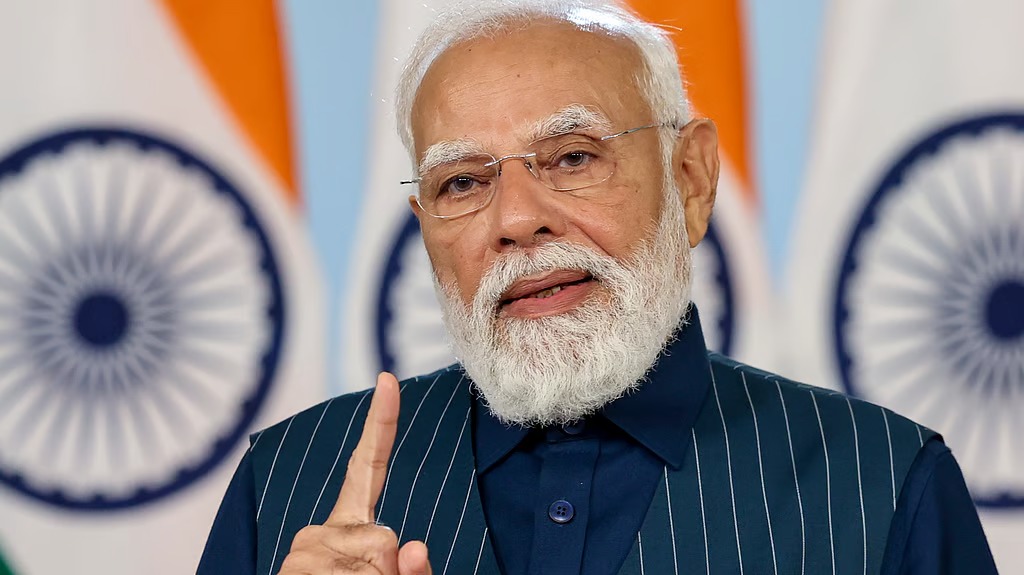
| 1 | PM Modi inaugurates 72nd National Volleyball Championship in Varanasi via video conference | “Everyone wins when the team wins,” said PM Modi while inaugurating the 72nd National Volleyball Championship in Varanasi, his parliamentary constituency, via video conferencing on Sunday. A total of 58 teams from 28 states are participating in the tournament, which will conclude on January 11. Stressing the need for the ‘Team First’ formula to achieve big goals, Prime Minister Narendra Modi said that volleyball is a sport that gave out the message that 'no victory' is ever achieved alone. |
 |
05-Jan-2026 | News in Details |
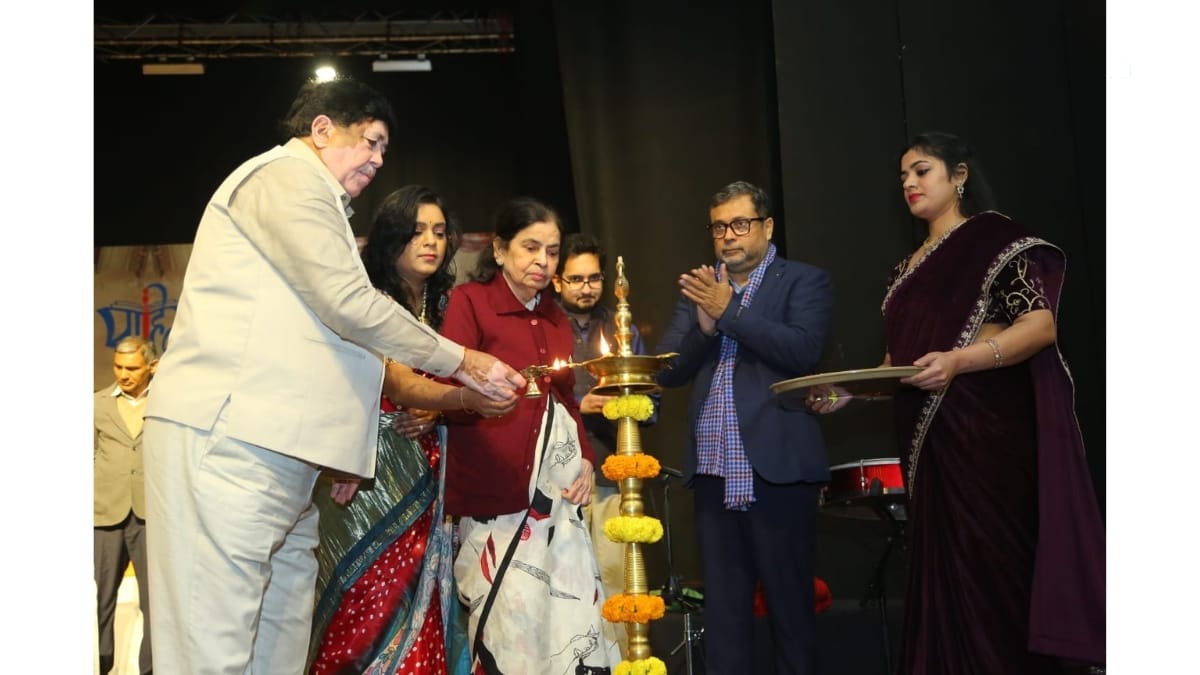
| 2 | IFFCO Sahitya Samman 2025 Awarded to Maitrey? Pushpa IFFCO Young Literary Award 2025 to Ankita Jain | India’s leading cooperative in the fertiliser sector, IFFCO, conferred the IFFCO Sahitya Samman 2025 on renowned Hindi writer Mrs. Maitreyī Pushpa. At the same ceremony, the IFFCO Young Literary Award 2025 was presented to Mrs. Ankita Jain for her book “Oh Re! Kisan”. The awards were given on 30 December 2025 at Kamani Auditorium, New Delhi, by IFFCO Chairman Mr. Dilip Sanghani. Maitreyī Pushpa was born on 30 November 1944 in Sikurra village of Aligarh district. Her early life was spent in Khilli village of Jhansi district. She completed her M.A. in Hindi Literature from Bundelkhand College, Jhansi. She has made a significant contribution to Hindi literature through her short stories, novels, autobiographical works, women’s writings, poetry, plays, memoirs, and reportage. Many of her works strongly reflect rural life, agriculture, women’s issues, and changing Indian realities. |
 |
05-Jan-2026 | News in Details |
| 3 | Indian Scientists Develop 3D-Print Automatic Weather Stations | In a significant technological first, Indian scientists have begun developing indigenously manufactured Automatic Weather Stations (AWS) using 3D-printing technology, a move aimed at strengthening last-mile weather observations across the country. The first batch of these next-generation stations is set to be installed in the national capital from February. The initiative is part of the government’s ambitious Mission Mausam, a ₹2,000 crore programme to upgrade India’s weather observation and forecasting capabilities. The project is being led by the Indian Institute of Tropical Meteorology (IITM), Pune, under the Ministry of Earth Sciences. |
 |
05-Jan-2026 | News in Details |
| 4 | India's First Government AI Clinic in Noida | The Government Institute of Medical Sciences (GIMS) in Greater Noida's Kasna has launched an artificial intelligence–powered clinic that will use AI tools and genetic screening to detect serious illnesses such as cancer and heart, kidney and liver diseases at an early stage, officials said. The facility is the first AI-enabled government clinic housed within a government hospital in Uttar Pradesh, according to doctors, as per a reports. An AI clinic is a healthcare facility that uses artificial intelligence to enhance diagnosis, treatment, and patient care. Powered by advanced algorithms and automation, these clinics can analyse patient symptoms in real time and assist doctors in making faster, more accurate decisions. AI clinics are often compact, self-contained units or integrated within hospitals, making them especially useful in remote or underserved regions such as rural India, where they can significantly improve access to quality healthcare. |
 |
05-Jan-2026 | News in Details |
| 5 | Karnataka Records Highest-Ever Organ Donations in 2025 | Karnataka has recorded its highest-ever organ donation figures with 198 donations in 2025, setting a new milestone in the state's transplant history, officials said on Saturday. This has surpassed the previous record registered in 2023, when the state reported 178 organ donations, they said. According to health department, with this achievement, Karnataka has secured the third position nationally in organ donations for 2025, setting a milestone for the State Organ and Tissue Transplant Organisation (SOTTO). Among the States, Tamil Nadu topped the chart with 267 organ donations, followed by Telangana with 205. Karnataka stood third with 198 donations, while Maharashtra and Gujarat reported 153 and 152 donations respectively, according to official data. |
 |
05-Jan-2026 | News in Details |
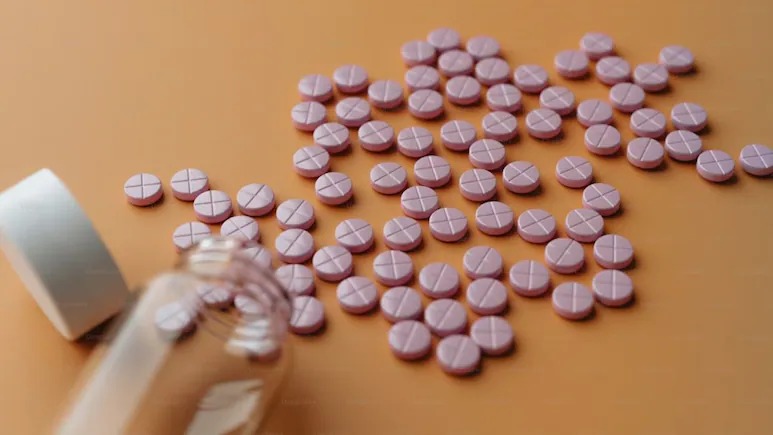
| 6 | First Oral Pill For Adults With Thalassemia Anaemia Gets Approval, Experts Hail It As Game Changer | The US Food and Drug Administration's (FDA) approval of the first-ever oral pill for anaemia in adults with thalassemia marks a historic milestone and can be a game changer in the management of the genetic blood disorder, said health experts on Friday. The FDA recently approved mitapivat (to be marketed under the brand name Aqvesme) for the treatment of anemia in adults with alpha- or beta-thalassemia. Mitapivat is the first medication indicated for both transfusion-dependent and non-transfusion-dependent forms of these rare, inherited blood disorders. |
 |
05-Jan-2026 | News in Details |
| 7 | PM Modi inaugurates Grand International Exposition of Sacred Piprahwa Relics related to Lord Buddha | Prime Minister Narendra Modi today inaugurated the Grand International Exposition of Sacred Piprahwa Relics related to Bhagwan Buddha, titled The Light and the Lotus: Relics of the Awakened One, at the Rai Pithora Cultural Complex in New Delhi. Addressing the gathering on the occasion, the Prime Minister said that after one hundred and twenty-five years of waiting, India’s heritage has returned, and its legacy has come back. |
 |
05-Jan-2026 | News in Details |
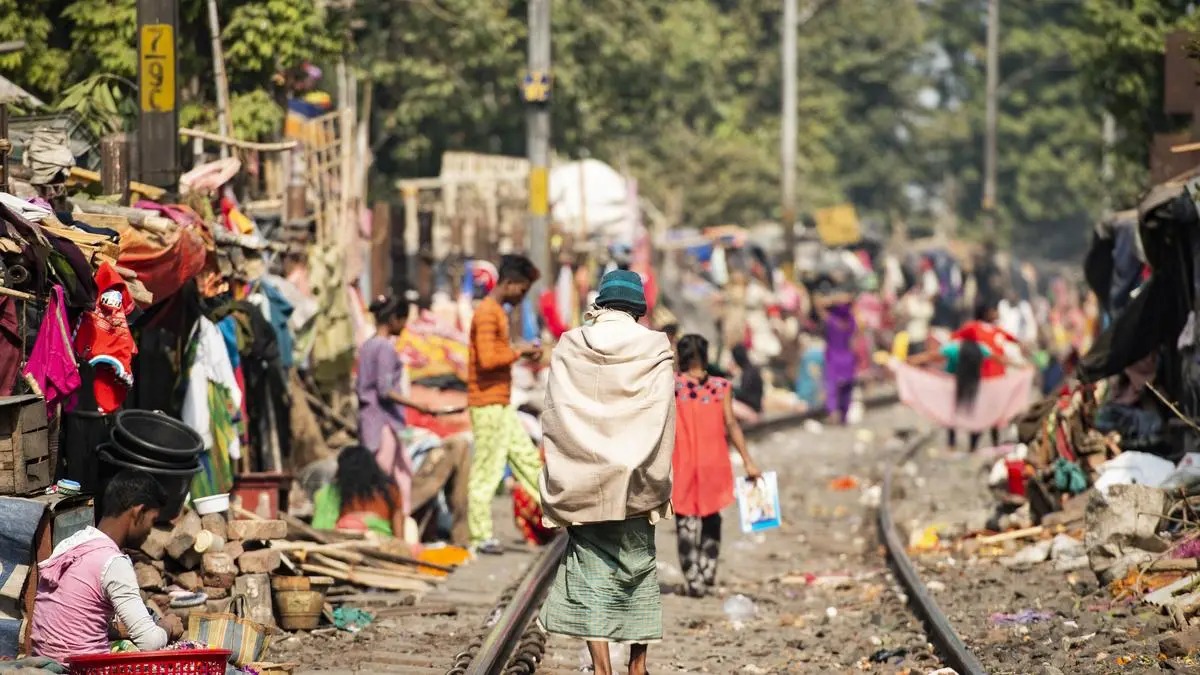
| 8 | Gujarat targets Surat to become India’s 1st slum-free city | The Gujarat government has targeted to convert Surat into India’s first slum-free city. A decision in this regard was taken during the cabinet meeting of Gujarat government where chief minister Bhupendra Patel was present. “Chandigarh is the first city with more than 10 lakh population to be declared slum free. Chief minister has instructed the officials to make Surat the first slum free city of the country with over 70 lakh population Today there are no slum free cities in this population bracket in the country,” Jitu Vaghani, cabinet minister for agriculture and farmers’ welfare and the official state government spokesperson said after the cabinet meeting concluded in the state capital Gandhinagar on Wednesday. |
 |
03-Jan-2026 | News in Details |
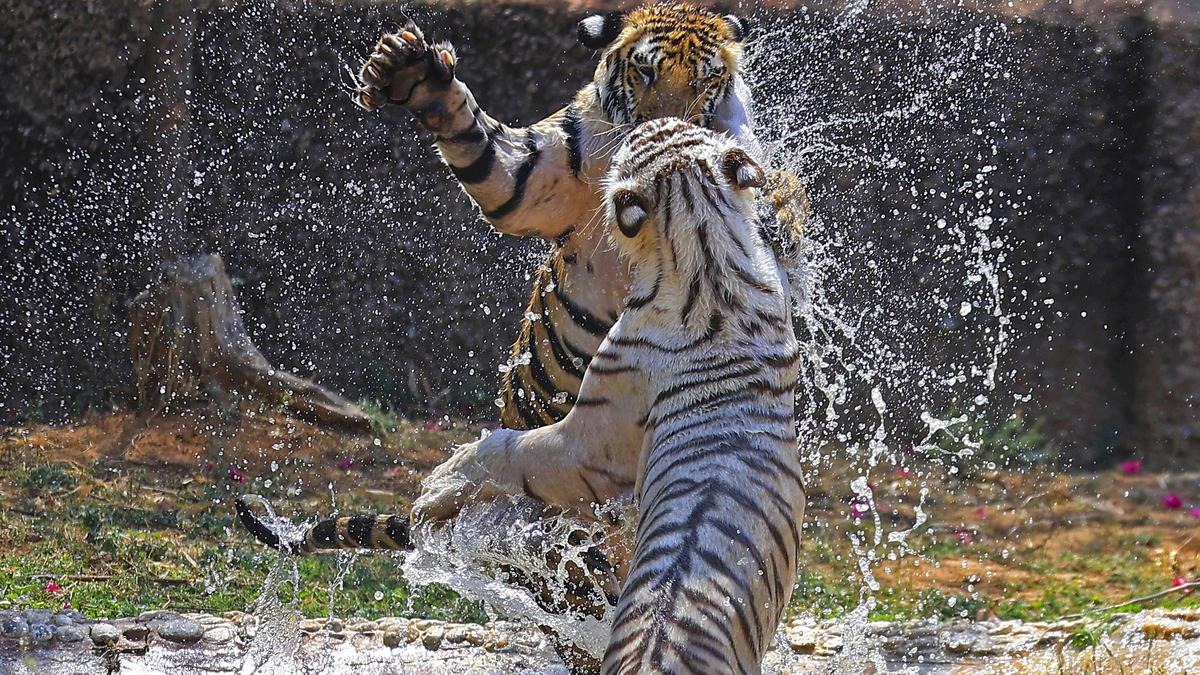
| 9 | India loses 166 tigers in 2025, forty more than last year | India, home to the world's largest tiger population, has lost as many as 166 of these majestic animals in 2025, forty more than the previous year, due to various reasons, as per the latest data of the National Tiger Conservation Authority (NTCA). The data also shows that Madhya Pradesh, dubbed the country's 'tiger state', recorded the highest number of deaths at 55. Among other states, Maharashtra, Kerala and Assam reported 38, 13 and 12 tiger deaths, respectively, in the bygone year. |
 |
03-Jan-2026 | News in Details |
| 10 | Bulgaria joins the euro after rocky path to new currency | the poorest country in the European Union - has become the 21st member of the eurozone - leapfrogging more obvious and prosperous candidates like Poland, the Czech Republic and Hungary. For mostly urban, young and entrepreneurial Bulgarians, it's an optimistic and potentially lucrative leap - the final move in a game which has brought Bulgaria into the European mainstream - from Nato and EU membership, to joining the Schengen zone, and now the euro. For the older, rural, more conservative parts of the population, the replacement of the Bulgarian lev by the euro provokes fear and resentment. |
 |
03-Jan-2026 | News in Details |